
What to pack for Umrah: the complete pilgrim's packing list
Updated · 3 min read
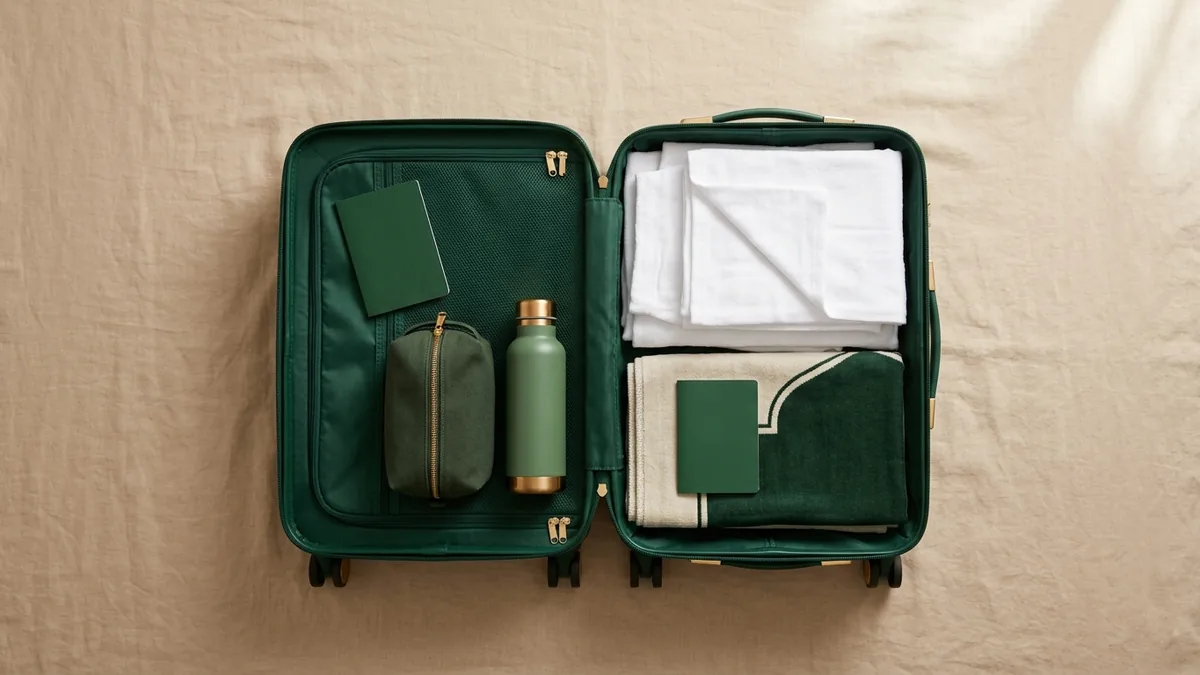
Packing well for Umrah saves a lot of stress on the ground: a missing document, a scented product while in ihram, a phone with no battery or no internet. Here is a complete list, by category, so you forget nothing before leaving for Makkah and Madinah.
1. Documents to keep on you
- A valid passport (check the validity period Saudi Arabia requires before you travel).
- Your Umrah visa or permit, obtained through official channels.
- Return flight tickets and hotel confirmations (Makkah and Madinah).
- Travel and health insurance, with the assistance number.
- Copies of every document, on paper and as a photo on your phone, kept apart from the originals.
- The contact details of your agency or guide, and each hotel's address written in Arabic.
2. Ihram clothing
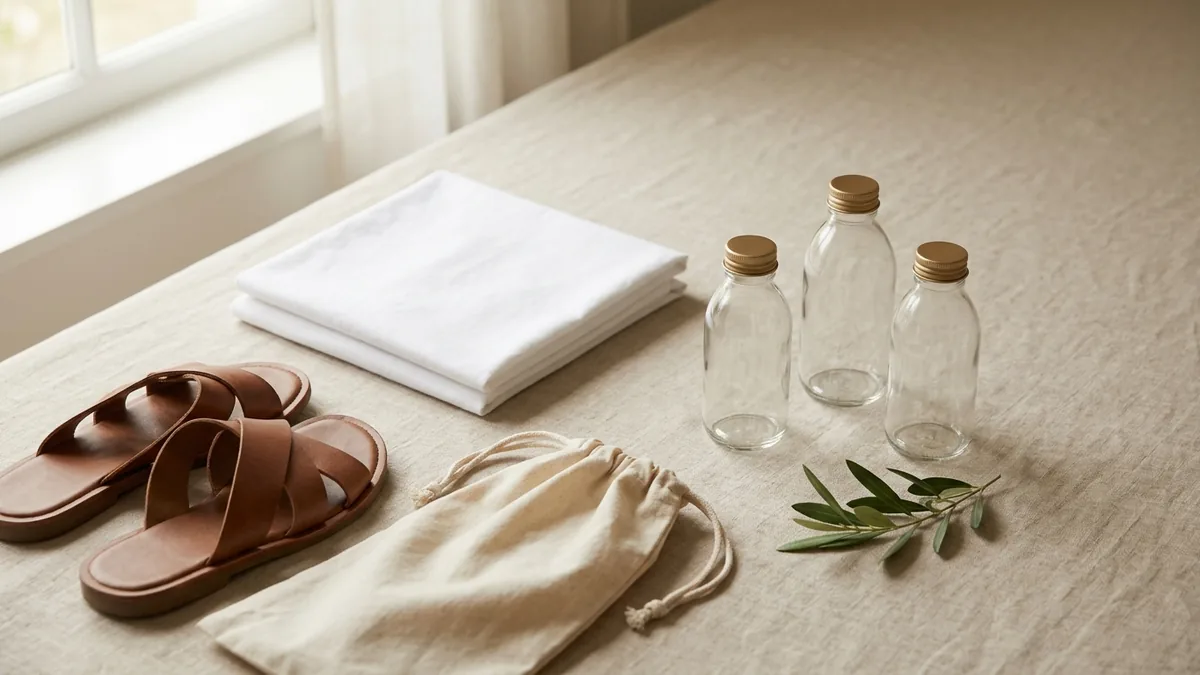
For men, ihram is two pieces of unstitched white cloth; bring a spare set. Women wear loose, modest, covering clothes, usually light-coloured. The exact rules (footwear, belt, covering the head) vary by person: ask your guide or a trusted source before leaving, and do not rely on a general list for this point.
- Very comfortable sandals or shoes that are easy to take off: you walk a lot, often barefoot at prayer areas.
- A light shoe bag, very handy at mosque entrances.
- Enough socks and underwear.
3. Clothing for the stay
Choose light, loose, breathable clothes for the heat, with a cardigan or thin sweater for heavily air-conditioned places (hotel, mosque, plane). Women should pack several outfits and spare scarves, since heat and travel wear clothes out quickly.
4. Unscented hygiene
In ihram, scented products are not allowed. Choose unscented products from the start: soap, shampoo, deodorant, moisturiser, sunscreen, wipes.
- Toothbrush, toothpaste and a small toiletry kit.
- Unscented wipes and tissues.
- Unscented sunscreen and sunglasses.
- Lip balm, since the air is dry and the air conditioning constant.
5. Health and medicine
- Your usual medicines in enough quantity, in original packaging, with the prescription. Keep them in your carry-on, not checked baggage.
- Blister plasters and foot cream: you will walk a lot.
- Paracetamol, an anti-diarrhoea remedy, rehydration sachets and throat lozenges.
- Masks if you are sensitive to crowds and germs.
- Check vaccinations and health advice with a doctor, and consult the official list of required vaccines.
6. Electronics and internet
Your phone does everything: maps, the official app, contact with family, the driver and the hotel. Bring what keeps it charged and connected.
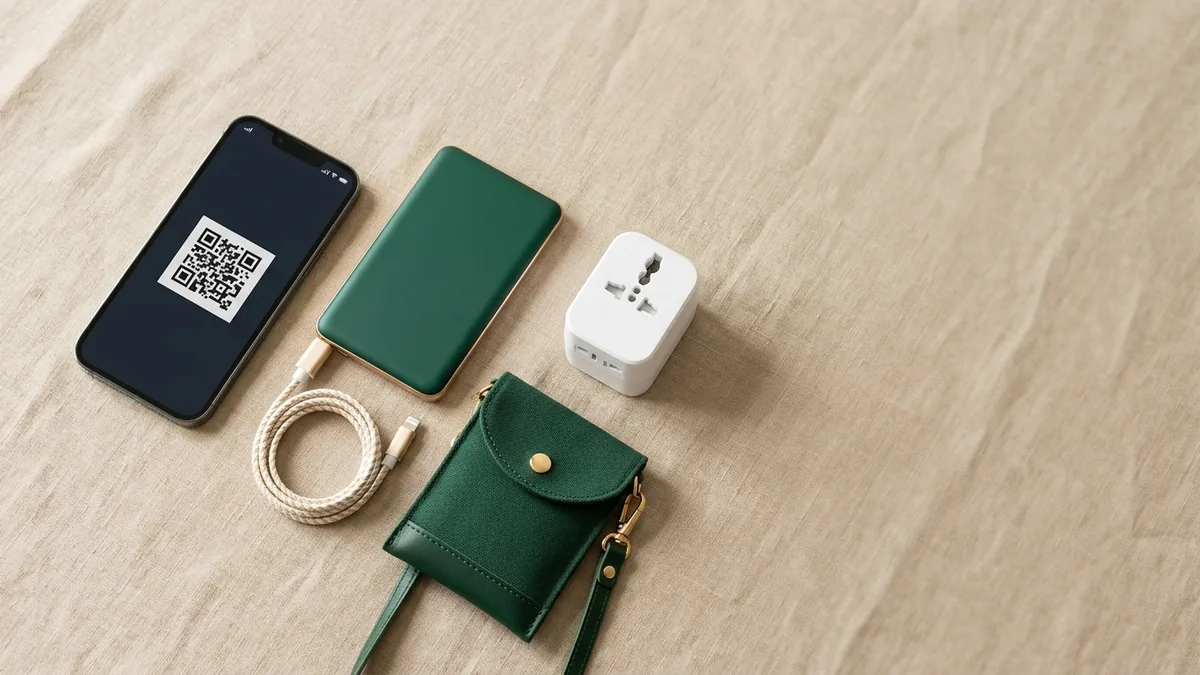
- A power bank, with the charging cable.
- A plug adapter: Saudi sockets vary, so a universal adapter is the safest.
- Offline maps downloaded before you leave.
- An eSIM installed before departure, so you have internet from the moment you land without hunting for a shop.
7. Money and valuables
- A bank card that works abroad, and a second backup card.
- A little cash in riyals for small purchases.
- A neck pouch or discreet belt for papers and money.
- Leave jewellery and valuables at home.
8. Small things that make a difference
- A small reusable bottle: you drink a lot, and can refill it on site.
- A light daypack or shoulder bag for the day.
- A light prayer mat, a book of supplications, prayer beads and a small notebook.
- Padlocks for your suitcase and a bag for dirty laundry.
9. What is better left at home
Avoid big heavy suitcases: you move around often, and airlines limit weight. Leave scented products, unnecessary clothes and anything precious. Keep room for gifts and Zamzam water on the way back, within your baggage limit and the airline's rules.
A final tip: think about the trip to the hotel
A light suitcase is easier to move between the airport, the transfer and the hotel, especially with elderly parents. Pick a hotel with a flat, easy route and book your transfer in advance so the driver is waiting on arrival.
This information is a guide only. Always check official rules and schedules before you travel.